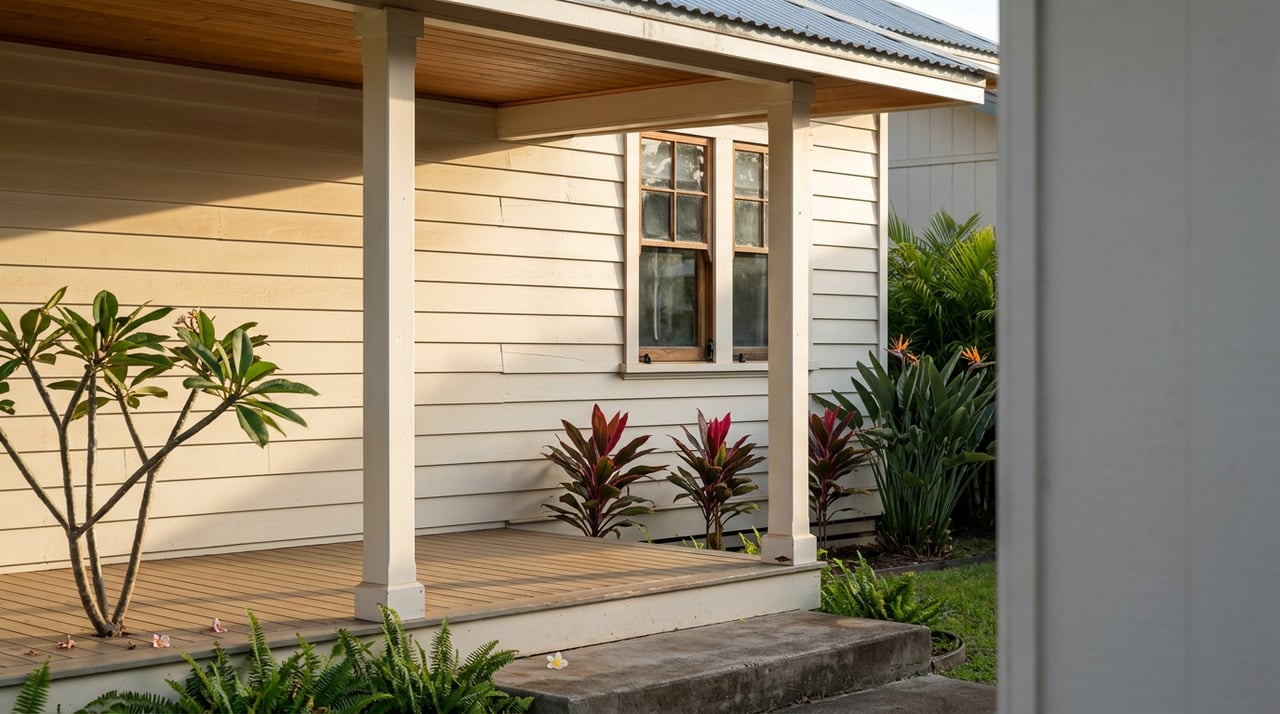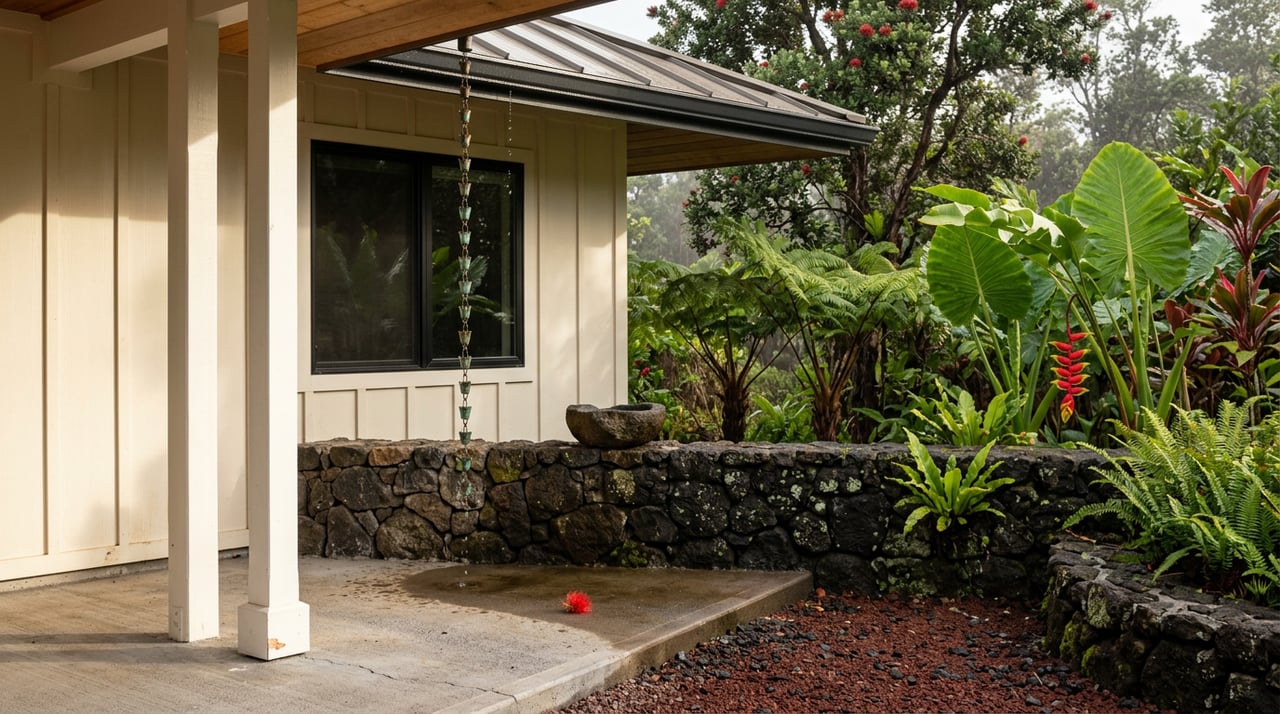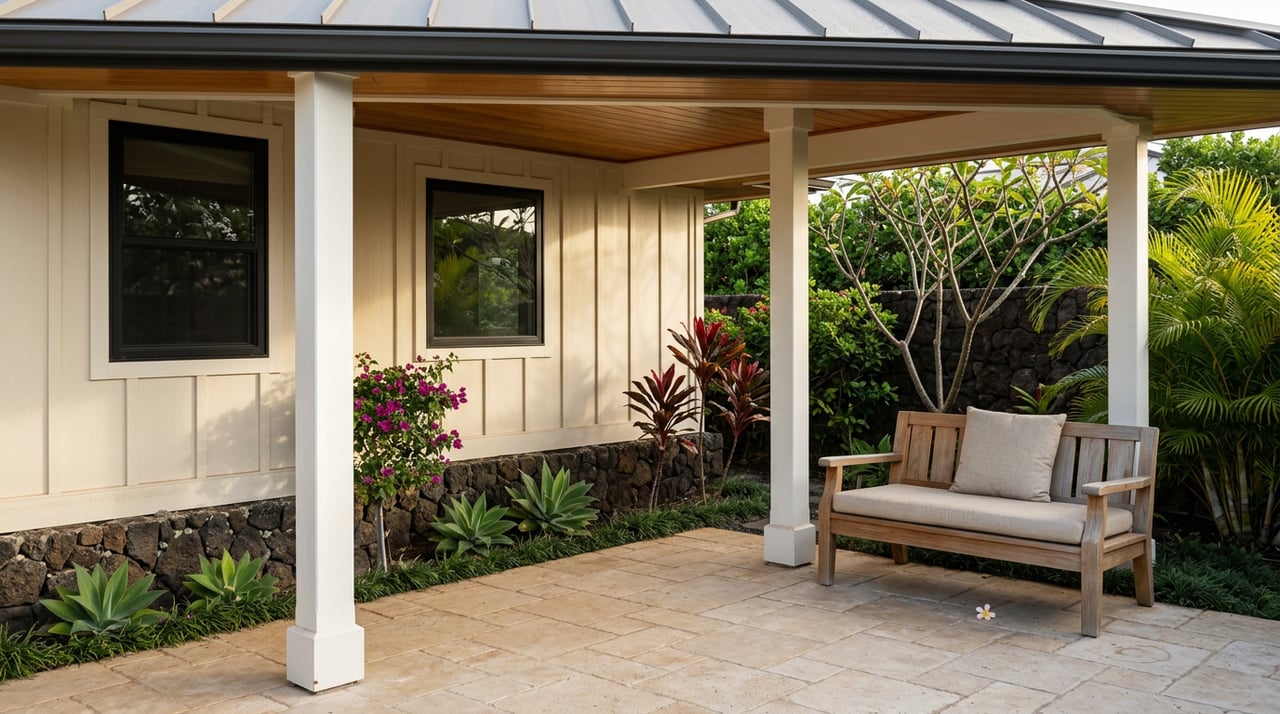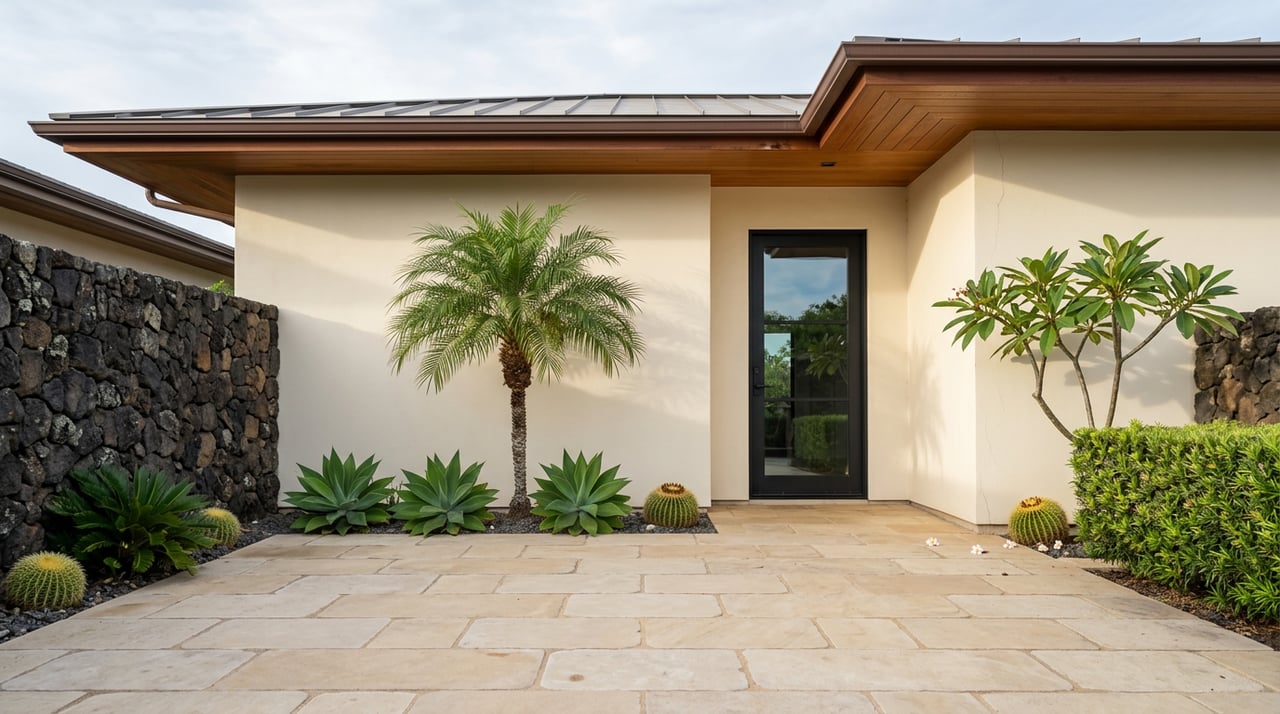
Picture two condos in neighboring Wailea communities, listed within a few thousand dollars of each other, both with an ocean glimpse and a recent renovation. On paper they read as substitutes. In practice, one of them comes with a second invoice the listing sheet never mentions, and a golf privilege the other one simply does not have. Neither fact shows up in the price. Both show up in the first year of ownership.
That gap between what a Wailea-Makena property costs to buy and what it costs to hold is the part of this market the median price cannot describe. And right now, the median itself is telling a story that needs a second look before anyone acts on it.
What "the median fell" actually measured
In April 2026, Wailea and Makena recorded five condominium sales at a median of $1,975,000 and two single-family sales at a median of $3,250,000, according to the Realtors Association of Maui's monthly report. Two single-family closings is not a market. It is a coin flip that happened to land on a particular pair of houses that month, and next month's pair could easily produce a different median with no change in what buyers are actually willing to pay for a comparable home.
Zoom out to the year-to-date picture and a more interesting pattern appears. Across 2026, the sharpest median declines on Maui have clustered in the resort corridors, West Maui's Kaanapali and the Wailea/Makena stretch among them, while upcountry and central districts have mostly held or gained. But a July 2026 analysis of the year-to-date data makes a point worth sitting with: the correction in Wailea is driven partly by which homes are trading rather than uniform price cuts, and Wailea's sales volume has actually roughly doubled over the same stretch. More transactions, lower median. That combination only makes sense if the mix of what is selling has shifted, not if buyers are suddenly paying less for the same kind of house.
The county-wide numbers show the identical mechanism at a larger scale. In June 2026, Maui's single-family median rose 4.4% to $1,356,975 (down just 2.3% over the trailing twelve months), even as the average sales price for the same month dropped 15.7%. The explanation is not a soft market. It is that a handful of eight-figure estate sales, the kind that regularly happen in Wailea, can swing an average by hundreds of thousands of dollars in either direction without moving the typical home's value at all.
Read together, the takeaway for a Wailea-Makena shopper is specific: a falling median in this corridor right now is more likely evidence of more entry-tier condos changing hands and fewer trophy estates closing in a given month, not evidence that comparable properties are getting cheaper. If you are chasing the number down, you may be chasing a mirage built from a thin sample.
The invoice that arrives after closing
Every condo or subdivision in Wailea has its own homeowners association, and most buyers know to ask for that fee before they write an offer. Fewer know to ask about the second one.
The Wailea Community Association, known locally as the WCA, is the master association for the entire 1,500-acre resort. Its membership spans individual condominiums, villas, penthouses, hotels, single and multifamily homes, undeveloped land, and the resort's commercial and recreational amenities, all under one umbrella that sits above whatever fee your specific building already collects. The WCA funds the landscaping and irrigation across more than 30 acres of common area, the trimming of more than 400 street trees, upkeep of over 10 miles of landscaped roadside, and a dedicated Wailea Patrol, two vehicles roaming the resort around the clock plus a separate eight-hour beachwalk patrol at night along the oceanfront properties.
None of that shows up in a building's individual HOA disclosure, because it is not that building's fee. It is a resort-wide assessment layered on top. Two units priced identically in two different Wailea developments can carry meaningfully different total monthly carrying costs once you add each building's own AOAO dues to its share of the WCA assessment, and the exact schedule is something worth confirming directly with the association before you get deep into escrow, not after.
The golf privilege that comes with the parcel, not the price
Wailea is built around three golf courses, the Blue, the Gold, and the Emerald, and it is easy to assume that buying anywhere in the resort buys you a seat at all three. It does not.
Actual Wailea Golf Club membership, the kind that waives green fees on the Blue and Gold courses, is restricted to owners in a defined list of designated developments tied to a settlement agreement from years past, not to every parcel that carries a Wailea address. Owners in a second tier of properties qualify for a reduced property-owner rate without full membership. A small number of properties qualify for neither. In recent years the numbers have run roughly $3,485 annually plus Hawaii's general excise tax for a Regular membership, or around $1,265 plus tax for an Associate tier with reduced green fees, with cart fees layered on separately. Those figures move over time, so anyone weighing this as part of the decision should confirm the current schedule with the club directly. What does not move is the structure itself: only two individuals per eligible parcel, home, or condominium can hold membership, and non-qualifying owners can register for a modest annual fee that gets them a discounted rate but never the member tee sheet.
None of this is disclosed on a listing. It is buried in each development's original purchase agreement and only surfaces when an owner calls the pro shop to ask why their neighbor got a better rate.
Makena operates on a different system entirely. Buyers there are typically looking at custom estates on larger, more private lots, with far fewer active listings in a given month, and any golf access runs through the separate Makena Golf & Beach Club rather than Wailea's tiered arrangement. Same corridor, same headline luxury reputation, genuinely different amenity math.
A price per square foot tells you what the market paid. It does not tell you what the building owes, or which door that ownership does or does not open.
Reading the corridor correctly before you write an offer
Put the two threads together and the picture sharpens. The 2026 median in Wailea-Makena is soft in the headlines partly because more condos and fewer ultra-luxury estates happened to close in the sample, not because the corridor got a discount. And the sale price you are comparing across developments is incomplete until you know what sits on top of it: which master association dues apply, and which golf tier, if any, comes attached to that specific parcel.
Before comparing two Wailea properties as apples to apples, it is worth asking for three things: the building's current AOAO fee and reserve study, the WCA assessment that applies to that unit or lot, and written confirmation of the property's Wailea Golf Club eligibility tier, if any. None of that will appear on the listing sheet. All of it changes what "similarly priced" actually means.
Frequently Asked Questions
Is the Wailea Community Association fee the same as my condo's HOA? No. Your building or subdivision has its own homeowners association covering that property's specific common areas. The WCA is a separate, resort-wide master association layered on top, funding shared landscaping, roadways, and patrol services across all of Wailea.
Does every property in Wailea come with golf privileges? No. Wailea Golf Club membership and the reduced property-owner rate are limited to a defined list of designated developments. Some properties qualify for full membership, some for a reduced rate only, and a small number qualify for neither.
Why did the Wailea/Makena median price fall if sales activity increased? Because the median measures the home in the middle of whatever sample closed that period. When more moderately priced condos trade and fewer high-end estates close in the same stretch, the median moves down even though nothing about comparable home values has changed. The 2026 data points toward exactly that kind of mix shift rather than a uniform price decline.
Does the Wailea golf and community association structure apply in Makena too? Not in the same form. Makena properties are governed by their own arrangements, and golf access there runs through the separate Makena Golf & Beach Club rather than the tiered Wailea Golf Club system.
If you are comparing properties across this corridor and want the real cost of ownership, not just the number on the listing sheet, Millennium Realty can walk you through what a specific building or parcel actually carries before you write an offer. Contact us.