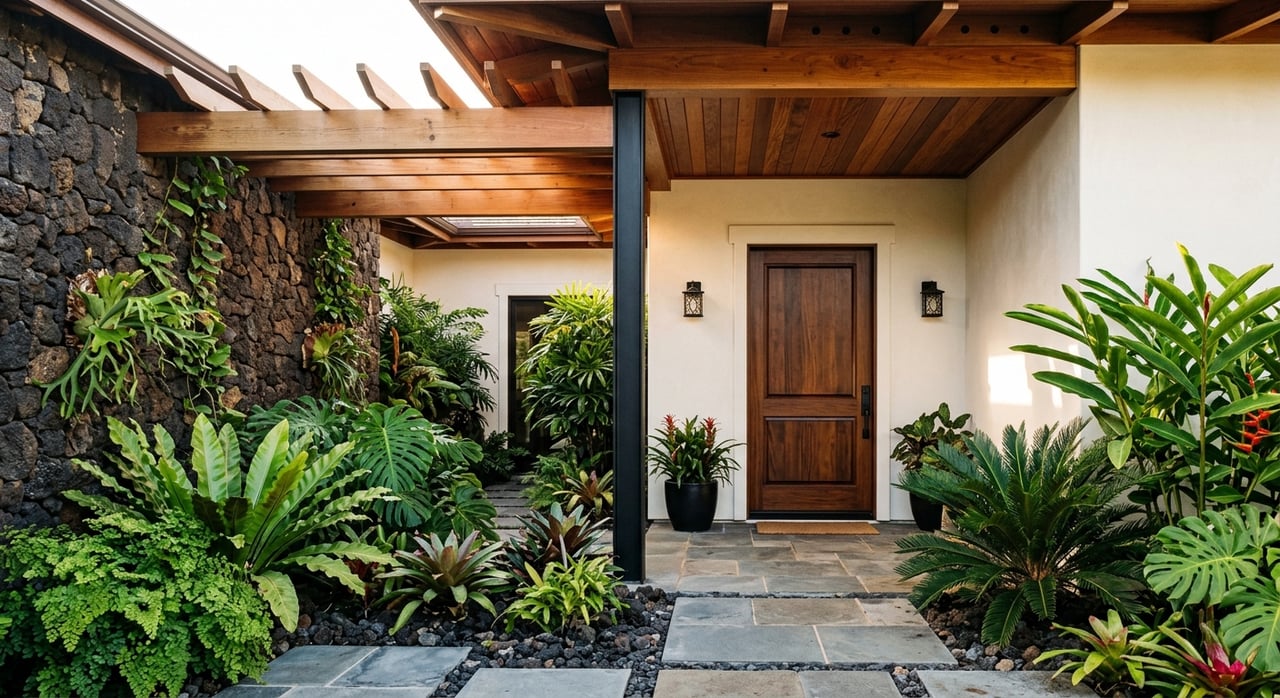
Thinking about a second home in Wailea-Makena usually starts with a lifestyle dream, but the real decision comes down to details. You may be picturing ocean views, easy access to South Maui beaches, and a place you can enjoy now while holding for the future. This guide will help you look past the postcard image and focus on what really matters in the 96753 market, from property type and ownership costs to rental rules and due diligence. Let’s dive in.
Why Wailea-Makena Stands Out
Wailea-Makena is not a typical neighborhood market. Wailea is a 1,500-acre master-planned resort community, while Makena is described in the Kihei-Makena Community Plan as retaining rural-village character, open space, and Hawaiian cultural landscapes. That combination creates a second-home market shaped as much by planning, views, and amenities as by price alone.
This also means your buying decision is highly location-specific. One property may offer a more resort-oriented ownership experience, while another may feel more private and low-density. In this part of Maui, the setting and the structure of ownership can matter just as much as square footage.
What the Market Looks Like Now
Wailea-Makena is a small, high-end market with limited inventory. Recent listing data showed about 12 properties for sale in Wailea, with a median listing price near $3.0 million and median days on market of 129. Recent closed-sale reporting also showed only a handful of condo and single-family transactions, which tells you this is a market where a few sales can shift the numbers quickly.
That is important if you are comparing headlines from different sources. Listing data and closed-sale data are not measured the same way, so exact prices can vary depending on the report. The bigger takeaway is that inventory is selective, and buyers should expect a market where patience and property-specific analysis matter.
Condo or Single-Family Home?
Choosing between a condo and a single-family home is one of the biggest decisions when you are considering a second home in Wailea-Makena. Both can work well, but they offer very different ownership experiences.
What to Know About Wailea Condos
A condo can feel like the more turnkey option, especially if you want easier day-to-day upkeep. In Hawaii, condo ownership is governed by documents such as the declaration, bylaws, and often house rules or board policies. Those documents can cover permitted uses, insurance requirements, pets, parking, quiet hours, guest rules, fines, budgeting, and assessments.
That means a condo is not maintenance-free. You are often paying dues that help cover common expenses and shared-property maintenance, and reserve funding is a key part of the picture. If reserves are not strong enough, owners may face deferred maintenance or special assessments later.
What to Know About Single-Family Homes
A single-family home may offer more privacy, more land, and more flexibility in how you use the property. That can be especially appealing if your goal is space, separation from neighbors, or a more private second-home experience.
Still, detached does not always mean simple. In Wailea, the Wailea Community Association says architectural controls are recorded on title for all Wailea properties, and the association includes single-family homes as well as condos and resort properties. In practice, that means some homes may still come with association oversight and a structured ownership environment.
Views, Shoreline Limits, and Long-Term Value
If you are drawn to a view home or oceanfront property, it helps to think beyond the current photo angle. The Kihei-Makena Community Plan includes shoreline height limits, shoreline setbacks, and coastal-erosion analysis requirements. It also allows some taller inland resort development only when important mauka-to-makai vistas are maintained.
For you as a buyer, the practical question is whether a view is likely to remain protected and what coastal factors come with the site. A beautiful outlook today is only part of the story. The planning framework around the property can shape both your enjoyment and your long-term confidence in the purchase.
Rental Potential Needs Careful Review
Many second-home buyers want the option to rent the property at least part of the year. In Wailea-Makena, you should never assume a property can be rented short-term just because it is in a resort area.
Maui County treats short-term rental use as a zoning- and permit-specific issue. The county defines a transient vacation rental as a rental under 180 days and says these uses are prohibited outside the hotel district except through approved pathways. Some properties are legally eligible to operate short-term without a permit, while others may require a Short-Term Rental Home Permit, Bed & Breakfast permit, or Conditional Permit.
Why Project-Level Rules Matter
Even if county rules appear favorable, condo documents and association rules may still restrict how a property can be used. Rules can affect parking, guest behavior, pets, fines, and other day-to-day issues tied to rental activity. In other words, a resort-style condo does not automatically mean short-term rental eligibility.
Maui County also places operating requirements on permitted short-term rentals. For example, the county says STRH operations must have a designated manager who can arrive onsite within an hour, must provide onsite parking, and must include the permit number in advertising. If rental income is part of your plan, these details need to be confirmed early.
Due Diligence for Second-Home Buyers
A second home in Wailea-Makena deserves careful review before you commit. This is especially true when you are buying from off-island or comparing several different property types at once.
Review the Association Documents
For a condo, document review is essential. You will want to understand the declaration, bylaws, house rules, monthly dues, insurance structure, and any history of fines or special assessments. You should also look at reserve funding, since the Hawaii DCCA notes that reserves are meant to cover major future expenses such as roof or elevator replacement.
If reserves are weak, the property may still be a fit, but you should go in with clear expectations. A lower monthly fee is not always a better value if it means larger costs later. Knowing how the project is managed can help you avoid surprises.
Verify the Exact Market Segment
Wailea-Makena is often grouped into a broader South Maui planning area, but not every statistic applies evenly across every pocket. Some reports reflect Wailea only, others combine Wailea and Makena, and some are based on current listings while others track closed sales. That is why broad market numbers are useful for context, but not enough for a buying decision.
A property in a condo resort, a detached home in Wailea, and a site in Makena can sit in very different ownership and pricing environments. You will get a clearer picture when you evaluate the specific submarket rather than relying only on regional averages.
Ask the Right Questions Early
Before you move too far into a purchase, keep these questions front and center:
- Is the property a condo, detached home, or part of a larger planned community?
- What do the governing documents allow or restrict?
- How strong are the reserves, and is there any special-assessment history?
- What insurance responsibilities belong to the association and to you?
- Is short-term rental use allowed by county rules, permit status, and association documents?
- Are there shoreline, setback, or view-corridor issues that may affect long-term enjoyment?
These questions can save you time and help you compare properties more clearly.
How to Approach the Search Wisely
The best second-home purchase usually balances lifestyle with structure. You may love a lock-and-leave condo for its convenience, or you may prefer a single-family home for privacy and space. Neither path is automatically better. The right fit depends on how you plan to use the property, how much oversight you want, and whether rental flexibility is part of your goals.
In a market as selective as Wailea-Makena, it also helps to work with a local team that understands more than just listing photos. You want guidance on condo documents, neighborhood differences, ownership costs, and the practical steps that can affect your enjoyment after closing.
If you are exploring a second home in Wailea-Makena, having steady local guidance can make the process feel much more clear. Whether you are comparing condos, looking at single-family homes, or thinking through rental possibilities, Tracy Kalama and the team at Millennium Realty bring practical Maui insight and full-service support to help you move forward with confidence.
FAQs
What makes Wailea-Makena different from other Maui second-home areas?
- Wailea-Makena is shaped by resort planning, limited inventory, open-space considerations, and a mix of condos, villas, hotels, and single-family homes, so property type and location matter a great deal.
What should you know about buying a condo in Wailea-Makena?
- Condo ownership in Hawaii is document-driven, so you should review the declaration, bylaws, house rules, dues, reserve funding, insurance structure, and any special-assessment history before buying.
What should you know about buying a single-family home in Wailea?
- A single-family home may offer more privacy and land, but Wailea homes can still be subject to architectural controls and association-style oversight.
Can you use a Wailea-Makena second home as a short-term rental?
- Maybe, but only after confirming county zoning, permit status, and any condo or association rules, since short-term rental eligibility is highly property-specific in Maui County.
Why do market prices in Wailea-Makena seem to vary by source?
- Different reports track different things, such as current listings versus closed sales, and in a very small market, a few transactions can move the median quickly.
What due diligence matters most for a Wailea-Makena second home?
- Focus on governing documents, monthly dues, reserve strength, insurance responsibilities, special-assessment history, rental eligibility, and any shoreline or view-related planning factors tied to the property.