Looking for a part of Maui that feels cooler, quieter, and more open than the coast? Kula stands out for exactly that reason. If you want room to breathe, a more rural setting, and a range of home options tied to Upcountry living, this guide will help you understand what makes Kula unique and what to expect when you start your search. Let’s dive in.
Why Kula feels different
Kula sits on the western slopes of Haleakalā in Upcountry Maui. The name itself is associated with open country, pasture, and upland, which matches how the area is described in official planning documents.
County planning materials frame Kula as a rural and agricultural area with broad inland landscapes rather than shoreline resources. Settlement is concentrated around Waiakoa, and the overall character leans toward open space, working land, and a country upland setting.
For you as a buyer or property owner, that often translates into a very different daily feel from many coastal parts of Maui. Instead of a compact beach-town environment, Kula is better understood as a place shaped by land, elevation, and space.
Kula climate and elevation
One of the biggest draws of Kula is the weather. At NOAA’s Kula Branch Station, located at 3,100 feet, the 1991 to 2020 normals show a mean annual temperature of 63.9°F, with an average high of 71.7°F and an average low of 56.0°F.
Those numbers help explain why Kula feels mild and comfortable year-round. December’s normal mean low is 54.5°F, while August’s normal mean high is 75.7°F, creating a highland climate that is noticeably different from warmer coastal areas.
Annual precipitation at that station averages 23.0 inches. That combination of cooler temperatures and moderate rainfall supports the area’s agricultural use and contributes to the green, open setting many people associate with Upcountry Maui.
What that means for daily living
If you are comparing Kula with lower-elevation areas, climate may play a big role in your decision. The cooler temperatures can shape everything from how you use outdoor space to what kind of home environment feels most comfortable for you.
It also helps explain why so many people are drawn to Kula for its calm, country atmosphere. The setting is not just scenic. It has a distinct everyday livability tied to elevation and weather.
Open land shapes the lifestyle
Kula’s identity is closely linked to agriculture and open space. County materials describe the region as a landscape valued for rural character, long views, and land that supports low-intensity agriculture and ranching settlements.
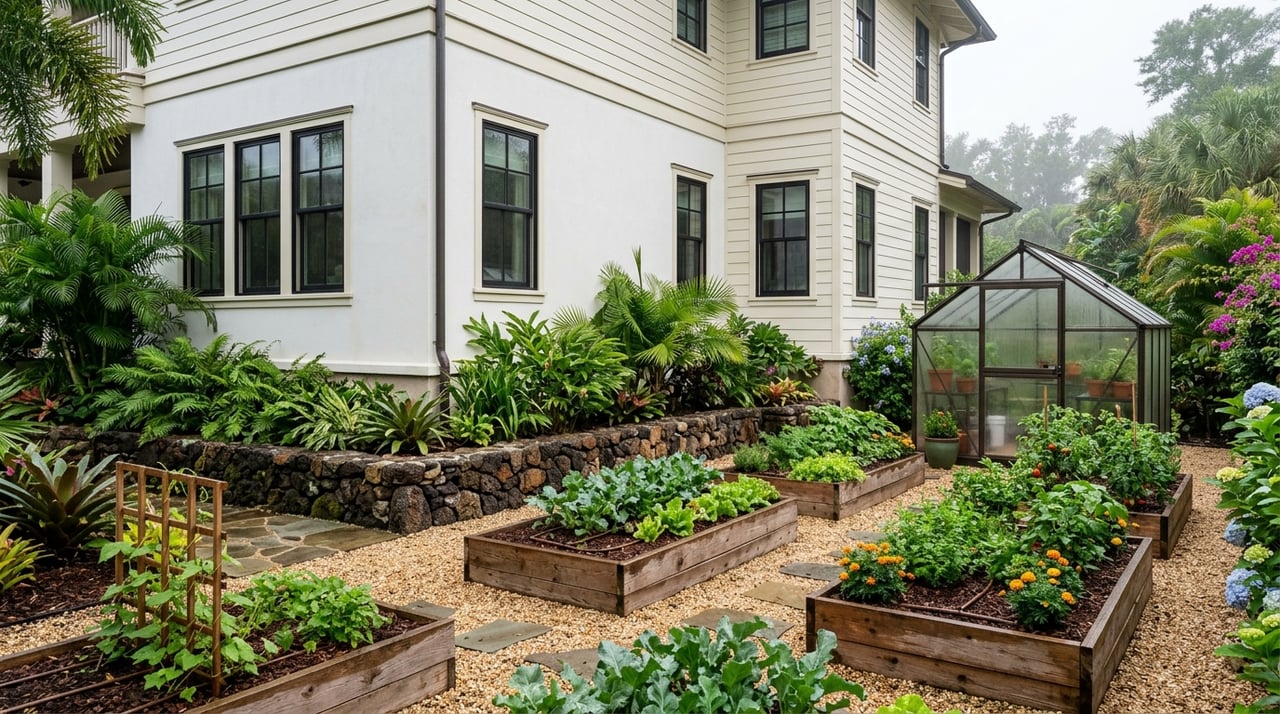
That is not just a planning idea on paper. The county’s Kula Agricultural Park includes 445 acres, 31 farm lots ranging from 10 to 30 acres, and 26 farmers growing products such as Kula onions, dryland taro, bananas, flowers, nursery stock, and turf grass.
This matters if you are considering a move here because agriculture is an active land use in Kula. It is part of how the area functions and part of what gives the community its distinctive sense of place.
A more rural rhythm
In practical terms, Kula often appeals to people who want a less dense setting and a stronger connection to open land. You may find that the area feels more spread out and more residential in a rural sense than many other parts of Maui.
That rural rhythm can be a major advantage if your priorities include privacy, views, or larger lots. It can also mean you should pay close attention to land use, surrounding property uses, and how a specific location fits your goals.
Kula home options to expect
If you are wondering what kinds of homes are most common in Kula, the county’s land-use guidance offers a useful starting point. In the Waiakoa area, the community plan identifies agricultural uses and open space, low-density rural residential uses, a village center, and single-family homes surrounding the village.
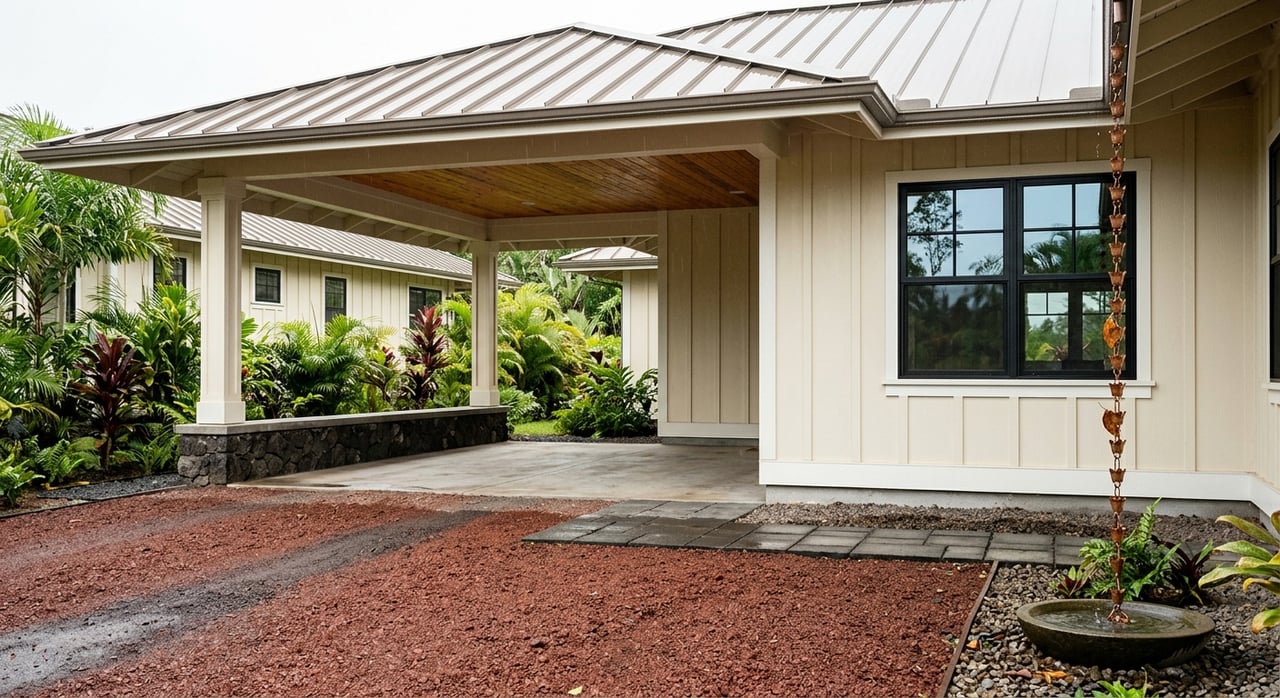
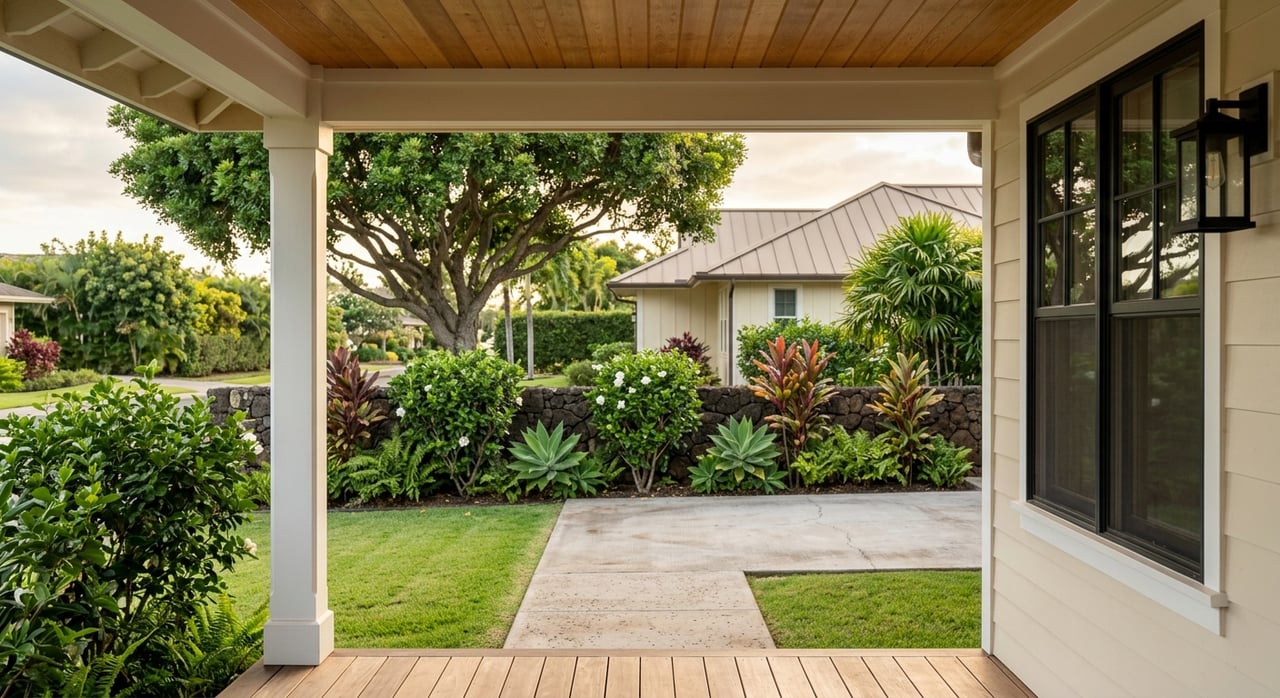
That points toward a housing pattern centered more on detached homes, rural-residential parcels, and larger-lot properties than on dense housing formats. For buyers, that can make Kula especially appealing if you are searching for space, a yard, or a property with a stronger sense of separation from neighbors.
At the same time, home choices can vary widely based on lot size, elevation, and proximity to key Upcountry routes and services. That is why local guidance matters when you are comparing one Kula property to another.
Single-family homes and land
Kula is often a strong fit if you are looking for a single-family home or land. Millennium Realty’s broader service mix also includes residential sales, land, rentals, condos, and property management, which can be helpful if you are thinking beyond a simple home search.
For example, some buyers are looking for a primary residence, while others may be considering land or a home that fits a longer-term ownership plan. In a place like Kula, where property types and land characteristics can vary, it helps to work with a team that understands more than one path.
Kula by the numbers
Census QuickFacts for the Kula CDP show a 2020 population of 6,942. The owner-occupied housing rate is 66.1%, which suggests a community with a strong ownership presence.
The median owner-occupied home value is $1,127,700, the median gross rent is $2,240, and the median household income is $100,433. These figures can help you set expectations as you explore whether Kula fits your budget and long-term plans.
The mean travel time to work is 29.5 minutes. That gives some insight into daily life in the area and suggests that commuting is part of the routine for many residents.
A well-established community
Kula also has a notable age mix. Census data shows 26.5% of residents are age 65 or older, while 18.0% are under 18.
That points to an established residential community with a mix of longtime residents and households at different life stages. If you are considering Kula, this can be useful context as you think about the area’s pace, housing needs, and long-term appeal.
Infrastructure and Upcountry context
Kula is part of the County of Maui Department of Water Supply’s Upcountry service area, along with Pukalani, Makawao, and Haiku. That places it within a broader inland service network rather than a shoreline district.
This is another reason Kula should be understood through an Upcountry lens. Its climate, land use, and infrastructure all support the idea of Kula as an inland community shaped by elevation, agriculture, and rural residential living.
For buyers and sellers, that context matters. It can influence how you compare Kula with other Maui locations and how you think about daily routines, access, and property use.
Is Kula the right fit for you?
Kula may be worth a closer look if you want cooler temperatures, open surroundings, and home options that lean toward single-family and rural-residential living. It can be especially appealing if you value space, a country setting, and the character that comes with working agricultural land nearby.
It may also be a strong match if you want an Upcountry lifestyle with a clear sense of place. Kula is not defined by shoreline living. Its identity is rooted in upland landscapes, mild weather, and land patterns that continue to preserve open space and agriculture.
The key is finding the right property within the right part of Kula for your goals. A home search here is often about more than square footage. It is also about climate, lot characteristics, and how you want to live day to day.
If you are thinking about buying, selling, or exploring land or rental property in Upcountry Maui, working with a locally grounded team can make the process much clearer. Tracy Kalama and Millennium Realty bring warm, practical guidance backed by deep Upcountry roots and experience across residential sales, land, rentals, and property management.
FAQs
What is Kula, Maui known for?
- Kula is known for its Upcountry Maui setting, cooler high-elevation climate, open land, rural character, and active agricultural use.
What is the weather like in Kula, Maui?
- NOAA climate normals at Kula Branch Station show a mean annual temperature of 63.9°F, an average high of 71.7°F, an average low of 56.0°F, and annual precipitation of 23.0 inches.
What types of homes are common in Kula, Maui?
- County planning guidance points to agricultural uses, open space, low-density rural residential uses, and single-family homes, especially around Waiakoa.
Is Kula more rural than coastal Maui areas?
- Yes. County planning materials describe Kula as an inland area shaped by agriculture, ranching, open space, and rural settlement rather than shoreline resources.
How large is the Kula community?
- Census QuickFacts report a 2020 population of 6,942 for the Kula CDP.
Is Kula part of Maui’s Upcountry service area?
- Yes. The County of Maui Department of Water Supply includes Kula in its Upcountry service area along with Pukalani, Makawao, and Haiku.