If you are wondering what day-to-day life in Lahaina feels like right now, the honest answer is this: it is a town with deep roots, active rebuilding, and a strong sense of place that is still very much present. You may be considering a move, a future purchase, or a return to West Maui, and it helps to understand both what is already working and what is still taking shape. This guide will walk you through what Lahaina living looks like in mid-2026, from errands and recreation to housing and recovery patterns. Let’s dive in.
Lahaina Today
Lahaina is still best understood as a historic town in recovery. The National Park Service identifies the Lahaina Historic District as a National Historic Landmark and the former capital of the Hawaiian Kingdom, covering the old town and nearby waters offshore. That historic identity still matters because rebuilding is happening alongside preservation, public access, and daily life.
Maui County’s Rebuild Lahaina framework shows that the long-term plan is focused on business centers, public lands, circulation and mobility, and Front Street. In practical terms, that means Lahaina is not simply rebuilding structures. It is also reworking how people move through town, gather, shop, and use shared public spaces.
Front Street Is Returning in Phases
One of the clearest signs of progress is the return of public infrastructure and community activity along Front Street. On July 1, 2026, Maui County marked completion of the Front Street Railing and Walkway Project, which repaired about 1,450 feet of sidewalk and replaced about 700 feet of railing, along with light poles, benches, and planters.
That kind of work may sound basic, but it matters to how a town feels every day. Sidewalks, seating, lighting, and shoreline access help restore simple routines like walking, meeting friends, and spending time near the water.
The next day, county officials highlighted ʻUlu o Lele, the first storefront project helping bring back Front Street. It is expected to host about 25 to 50 local vendors and provide an interim home for local businesses, nonprofits, cultural practitioners, farmers, and community programming.
That tells you something important about Lahaina right now. Recovery is not only about buildings. It is also about restoring places for commerce, culture, and connection.
Community Life Is Reappearing
Another sign of Lahaina’s evolving daily rhythm is the return of events and gathering spaces. Lahaina Homecoming, scheduled for July 17 through 19, 2026, reflects a recovery phase that includes culture and community, not just construction.
If you are thinking about living in Lahaina, this matters. A town feels livable not only when services return, but when people can gather again for events, programs, and shared traditions.
Public spaces still hold a strong symbolic role too. Lahaina Banyan Court Park remains one of the town’s best-known civic places and home to Maui’s oldest living banyan tree, even as the broader area continues to recover.
Outdoor Living Still Anchors Daily Life
For many residents, Lahaina living still revolves around shoreline access and outdoor routines. Even with ongoing rebuilding, West Maui’s coastal parks continue to support the everyday habits that make this area special.
Launiupoko Beach Park, just south of Lahaina, is used for swimming, surfing, stand-up paddleboarding, snorkeling, fishing, picnicking, and seasonal whale watching. If your ideal week includes sunrise or sunset by the water, this remains one of the practical local options.
Wahikuli Wayside Park and Honōkowai Beach Park also continue to function as everyday county parks with shoreline access, picnic areas, showers, parking, and daily hours from 7 a.m. to 8 p.m. These are not just visitor stops. They are part of the lived routine for people who want simple beach access close to home.
Papalaua Wayside Park along Honoapiʻilani Highway offers another quiet option for shoreline walks, fishing, picnics, beachcombing, and sunsets. Together, these spaces show that outdoor living remains one of Lahaina’s most consistent quality-of-life features.
Recreation Goes Beyond the Beach
Lahaina also has public recreation facilities that support daily life off the shoreline. The Lahaina Recreation Center hosts youth and adult sports, fitness classes, community meetings, and special events.
The Lahaina Aquatic Center remains a major local pool facility. The Lahaina Civic Center also continues to anchor neighborhood activity, with county calendars showing West District sports programming and summer movie nights there in 2026.
If you are evaluating what it would feel like to live here full time, these facilities matter. They provide structure for routines, family activities, exercise, and community connection beyond beach days.
Errands Are Centered in Practical Hubs
Lahaina’s day-to-day errands are now concentrated in a few key places. One of the clearest anchors is Lahaina Cannery Mall, which positions itself as a place to shop, eat, and celebrate.
For many residents, the biggest practical detail may be that Safeway is open from 6 a.m. to 1 a.m. The mall also includes dining and regular programming such as live music, hula, and cultural demonstrations, making it more than a basic shopping stop.
The other major everyday hub is Lahaina Gateway, where the Lahaina Recovery Center operates. Maui County says the West Maui Office of Recovery is based there Monday through Friday from 8 a.m. to 4:30 p.m. as a centralized hub for recovery departments and agencies.
That combination is part of what makes Lahaina living unique right now. Daily errands may include groceries, meals, services, and recovery-related tasks along the same main corridor.
Ocean Access Is Returning Gradually
Ocean access is an important part of life in West Maui, but it is returning in phases. The Department of Land and Natural Resources says Lahaina Small Boat Harbor resumed limited commercial boat operations on December 15, 2025, and harbor rebuild updates are continuing through 2026.
If you are considering a move, it helps to set expectations accordingly. Waterfront activity is coming back, but not all at once.
That phased return is a good example of Lahaina’s current reality overall. Many parts of daily life are functional and active, while other parts are still moving through a long recovery timeline.
Housing Is Blending Familiar Style and New Requirements
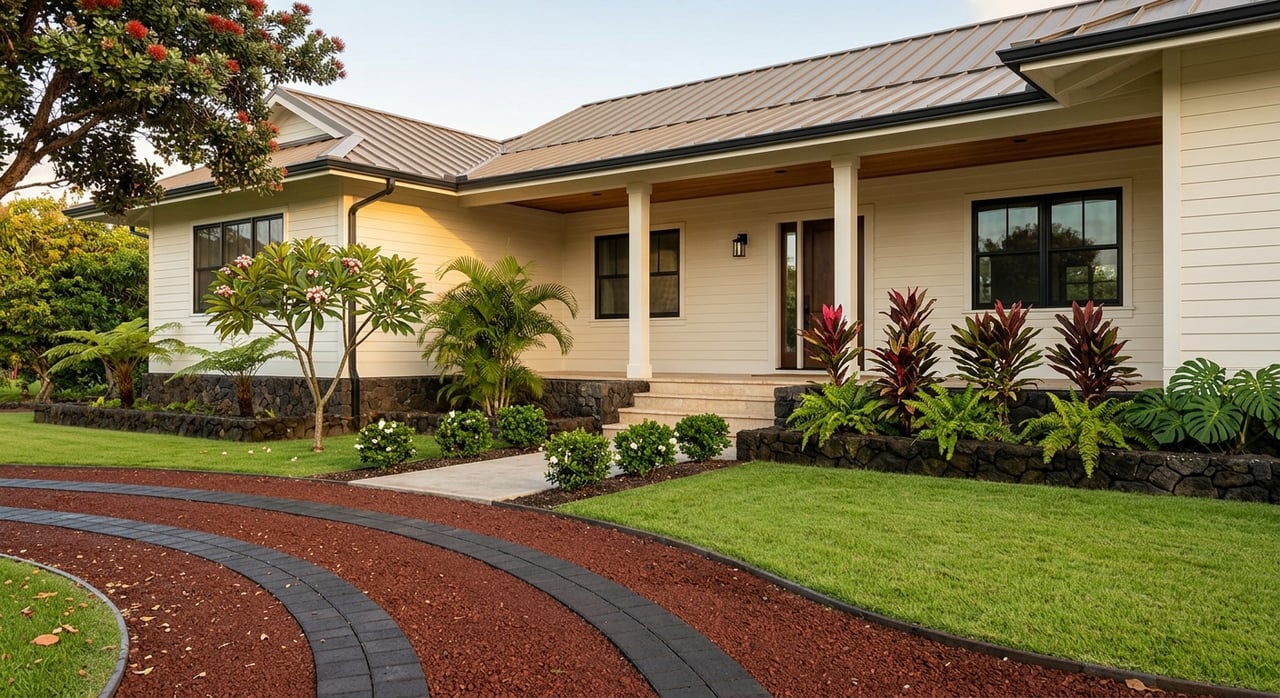
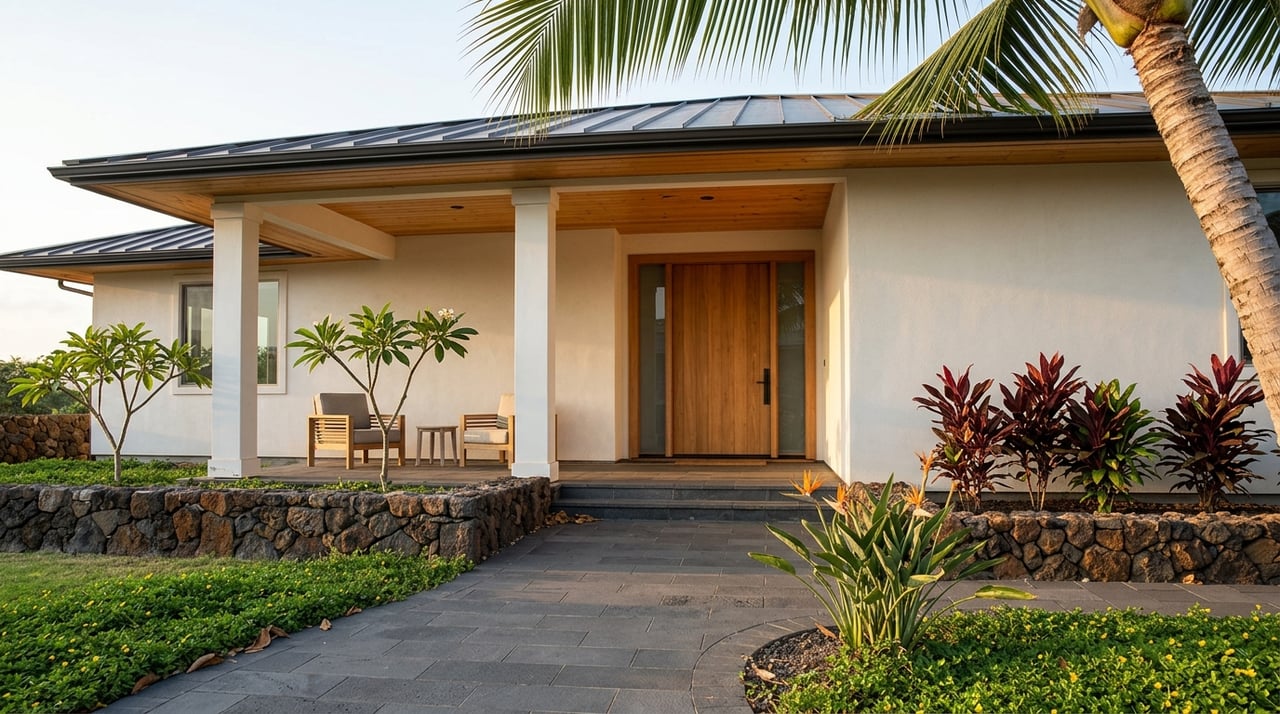
Housing in Lahaina is being shaped by both history and new reconstruction standards. Maui County’s commercial design guidance identifies Plantation Vernacular as a major influence in Lahaina’s built character, often featuring wood-frame construction, simple detailing, false fronts, and second-story lanais.
In residential reconstruction drafts for the Lahaina National Historic Landmark District, the county allows Plantation Vernacular and compatible styles such as Craftsman and Neoclassical. That means rebuilt homes may look familiar in style, even when the actual construction is new.
For buyers, this is an important point. Lahaina’s future housing stock may include newer homes that still reflect the visual character many people associate with the town.
Rebuild Options Are Expanding
The rebuild is also becoming more flexible in how homes can be delivered. In May 2026, Maui County announced procedures allowing factory-built housing to be used as permanent housing in the Lahaina Burn Zone, with a separate design-registration process now in place for that housing type.
Ho'okumu Hou says its twelve single-family home options were developed with Lahaina in mind, balancing Firewise construction with familiar forms and layouts. This suggests that reconstruction is not following a one-size-fits-all model.
Instead, you may see a broader mix of housing approaches as Lahaina continues to rebuild. That can include traditionally rebuilt homes, factory-built permanent homes, and multifamily restoration projects.
What the Rebuild Means for Buyers
Maui County’s 2026 State of the County Address says more than 456 residential and multi-family units have been fully constructed in Lahaina Town since the wildfire. It also states that seven approved projects are restoring 519 affordable rental units in West Maui.
In addition, the county says the Single-Family Reconstruction Program will use Lahaina-specific Firewise home designs for up to 250 eligible households. Altogether, these updates point to a housing landscape that is active, varied, and still unfolding.
If you are an early-stage buyer, it is helpful to think of Lahaina as a market in motion. The housing stock, public spaces, and commercial core are all rebuilding at the same time.
How to Read Lahaina Living Right Now
A practical way to understand Lahaina today is to look at the current service pattern. Beach parks and recreation facilities are open and active, shopping is concentrated around the Cannery corridor, and recovery offices remain part of the daily landscape.
That means life here can feel both grounded and transitional at once. You can still have a routine built around ocean access, local parks, grocery runs, and community spaces, while also seeing clear signs of ongoing recovery around you.
For some buyers, that will feel meaningful and hopeful. For others, it may mean taking a longer-term view and understanding that the final shape of the town is still emerging.
Why Location Details Matter More Than Ever
In Lahaina, property-specific details matter. Buyers should expect different approval paths if a lot sits inside the Lahaina Historic District or within the burn zone, because county design standards and reconstruction rules still apply there.
That can affect what gets built, how designs are reviewed, and how quickly plans move forward. In a town rebuilding at multiple levels, local guidance and careful due diligence become especially important.
If you are exploring condos, single-family homes, land, or investment property in West Maui, it helps to view each opportunity in the context of both the neighborhood setting and the broader rebuild timeline.
What Lahaina Living Really Feels Like
At this stage, Lahaina living is best described as coastal, community-oriented, and still evolving. You have access to shoreline parks, recreation facilities, grocery and errand hubs, and returning public spaces, but you are also living in a town where recovery is visible and ongoing.
For many people, that creates a very specific kind of connection to place. Lahaina is not presenting a finished version of itself right now. It is showing resilience, continuity, and gradual renewal in real time.
If that speaks to what you value in a home or long-term investment, Lahaina may be worth a closer look. If you want help understanding West Maui opportunities, from residential homes and condos to land and investment property, Tracy Kalama and Millennium Realty offer grounded local guidance with a full-service approach.
FAQs
What is daily life in Lahaina like in 2026?
- Daily life in Lahaina includes active beach parks, public recreation facilities, grocery and dining hubs, and visible rebuilding across town, especially around Front Street and recovery-related services.
What shopping and errand areas are open in Lahaina?
- Lahaina Cannery Mall remains a key everyday hub for groceries, dining, and services, while Lahaina Gateway also serves as an important center because it houses the Lahaina Recovery Center.
What beaches and parks support Lahaina living?
- Residents commonly use Launiupoko Beach Park, Wahikuli Wayside Park, Honōkowai Beach Park, and Papalaua Wayside Park for swimming, surfing, shoreline walks, picnics, fishing, and sunset time.
What kinds of homes are being rebuilt in Lahaina?
- Rebuilding includes single-family homes, multi-family units, affordable rental restoration, and permanent factory-built housing, with design standards that aim to reflect Lahaina’s historic character while meeting newer construction needs.
What should buyers know about purchasing property in Lahaina?
- Buyers should understand that Lahaina is still rebuilding, and some properties may be affected by historic district standards, burn zone rules, or other county reconstruction requirements that can shape approval and design paths.
Is Front Street open and active again in Lahaina?
- Front Street is returning in phases, with completed walkway and railing repairs, new public improvements, and ʻUlu o Lele helping bring back storefront activity, vendors, and community programming.
Is Lahaina Harbor fully back in operation?
- Lahaina Small Boat Harbor resumed limited commercial boat operations in December 2025, and harbor rebuilding continues through 2026, so ocean access is returning gradually rather than all at once.